The Growing Trend of Disconnection

Note: This post piggybacks on last week’s post: Slow Living. The Forgotten Art Of Enjoying Life. It’s a continuation in the same vein of thought, tapping the brakes to reevaluate and live more intentionally. Thanks for reading.
A Counter Cultural Shift
Most of the lifestyle trends or fads that we see come and go as a culture are largely ignored by many of us. I’m proudly in that group. I don’t understand many of the pop culture references made by the in crowd, and don’t keep up with celebrities or gossip surrounding them.
Some would call that out of touch or reclusive.
Guilty as charged.
It’s not as though I withdrew from the world, just possess a counter-cultural bent prioritizing real things instead of fluff.
As a kid, one always tries to go with the flow and not be a weirdo or stand out too much.
But the more you think critically as an adult, the better it is to be the lone wolf breaking from the crowd.
Weirdo can be a badge of honor when observing the ills that plague the masses.
What Is Digital Detox?
I’m congratulating myself since learning of a growing trend of re-evaluating choices and questioning the conventional. It’s a fresh and growing movement but some have been here for years.
The trend is labeled as Digital Detox.
It comes from a realization that we have become too digitized as a society. The detox reminds us we are human beings living on the Earth, with weather, seasons, emotions, nature and other real, flesh and blood humans around us. Not merely a profile picture and a bio on an electronic platform.
Why Analog Is Making A Comeback
Real paper books, vinyl records and film cameras are seeing a resurgence in popularity.
People are rediscovering things like gardening, outdoor spaces and simplicity itself. There’s comfort found in regular things lost in the noise of the latest cutting edge shiny trinket of technology.
A steady stream of social media and constant connectedness is causing digital fatigue.
In response, many are rethinking habits and choices.
Life Without Screens
A real life example of this is Carlos Whittaker. Carlos is an author and influencer who realized he had an electronic addiction. His weekly notification showed he averaged 7 hours 23 minutes per day. He did the math and saw large portions of his life staring at his iPhone.
He began an experiment and lived screen free for seven and half weeks. To legitimately document his experience, he had a neuroscientist scan his brain functions before and after the seven week hiatus.
To stay away from screens, he lived in a monastery and on an Amish farm in Ohio for the duration. What he discovered is astounding.

The first twenty four hours were the worst. He experienced night sweats and heart palpitations from the anxiety of being disconnected with everything.
But after the initial shock, he felt completely present for the first time in years. Without the constant news notifications, he had more peace and less anger as well.
But the biggest takeaway was the brain scan comparison.
In the first scan, he was in the fiftieth percentile for memory and mental cognition. With the scan at the end of the experiment he was in the ninety ninth percentile. His cerebellum actually healed from not using technology and having his attention so scattered.
You can read Carlos’ whole story in his book Reconnected.
The Hidden Cost Of Constant Connection
The trend is particularly concerning when it comes to our kids. This is the first generation to be so constantly connected with the world. There is no baseline for comparison.
According to the National Library of Medicine, research suggests that adolescents who spend excessive time on social media are more likely to experience mental health issues and symptoms of anxiety and depression.
The overuse of platforms like TikTok and Instagram has been linked to lower life satisfaction, compulsive behavior, and an increased risk of developing psychiatric symptoms.
The study acknowledges the benefits of interaction and self expression but cautions the downsides could far outweigh any positives.
This is one of those strange moments like when a person looks around and wonders aloud if anyone else sees the boulder rolling towards the village.
This is a whole generation living with rising levels of anxiety, emotional distress and depression. Except this epidemic is completely avoidable.
It isn’t just the kids. Digital overload is a quality of life issue for everyone. We have all witnessed friends around a table in a restaurant, all looking at their phones.
This plague is a detriment to our relationships and communication. It’s impossible to truly listen to another person while scrolling and scanning posts.
I know because I’ve tried. Quality time is focused and undistracted.
The Appeal of Imperfect Things
The backwards technology trend is getting notice and gaining momentum because it feels authentic. It’s imperfect and slower, like real life. You can lose your place in a physical book, a vinyl record gathers dust and can skip.
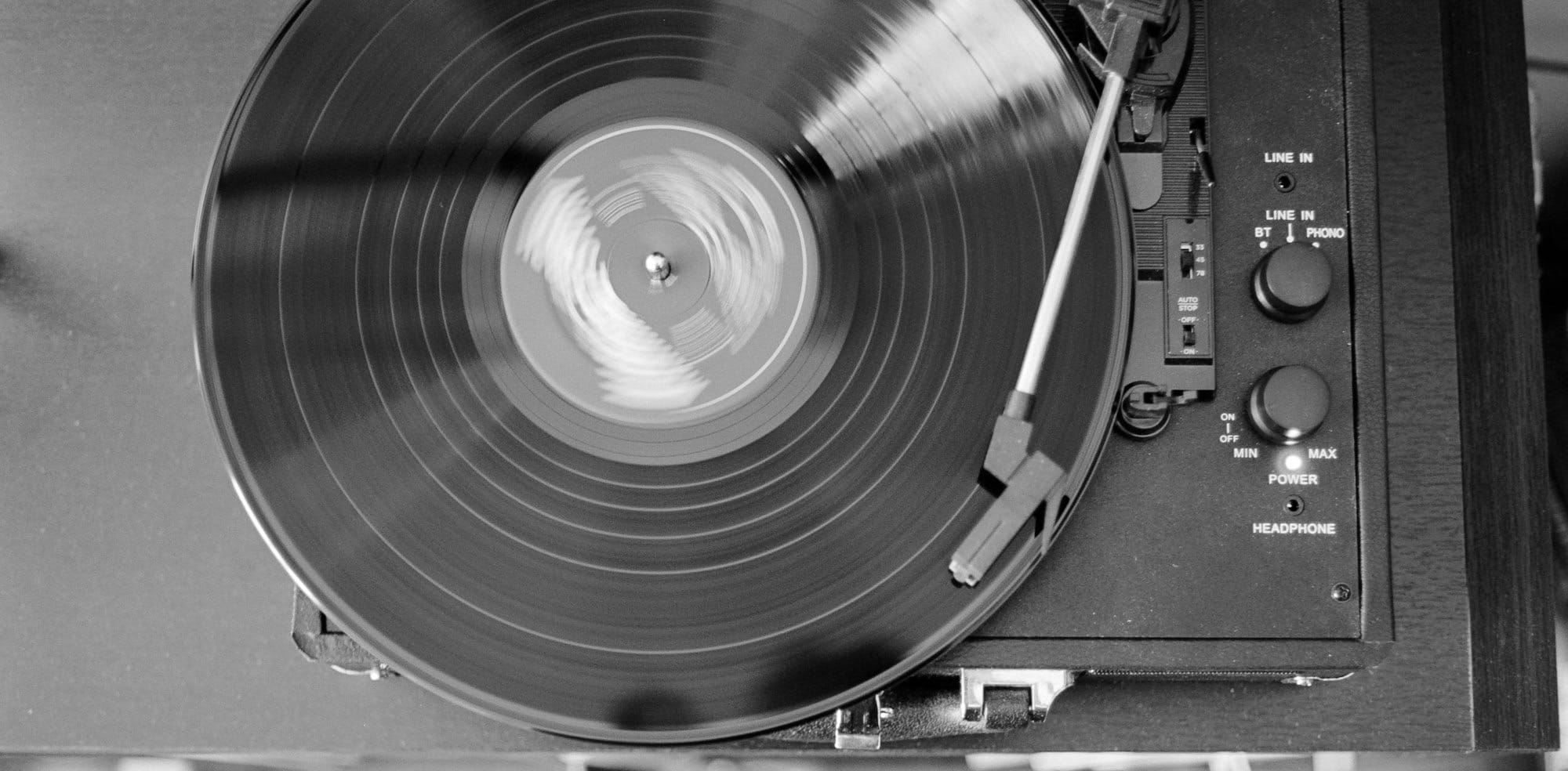
And the vinyl is predictable since it has no ‘Shuffle’ button. The next song will play next.
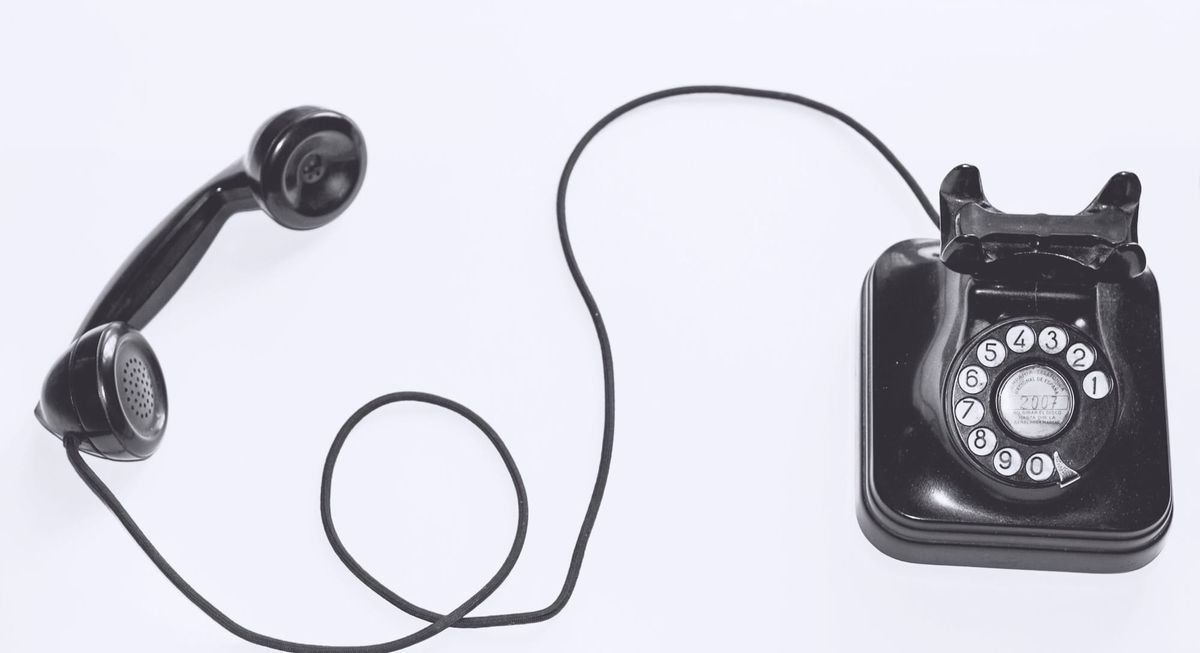
But this old stuff is beautifully functional. A flip phone can make calls. The LP plays music and reading a book causes your mind to imagine the scene that’s written, not just watch it.
Join The Analog Revolution
At least consider the Analog movement. Your brain will enjoy the lack of flashing visuals and sensational overload.
Your conversations and relationships will benefit as well. Try unplugging and see if your focus and quality of life improve.