Columbus And The Lens Of History


The second Monday in October is officially recognized as Columbus Day.
The Man Behind The Holiday
Born in Genoa, Italy Columbus sailed the Mediterranean and Aegean seas as a teen. He survived a shipwreck and nearly died at the hands of privateers.
As a seagoing entrepreneur, his true ambition was to find a western route to Asia. The islands off of India and the China mainland were known for their spices and wealth.
The eastern trading routes to Asia were dominated by Muslims which made it a dangerous journey, making an alternative so attractive.
Voyage Into The Unknown
After three failed attempts to finance his voyage, Columbus (called Cristoforo Colombo in Italian) was commissioned by King Ferdinand and Queen Isabella of Spain to find a western route to Asia.
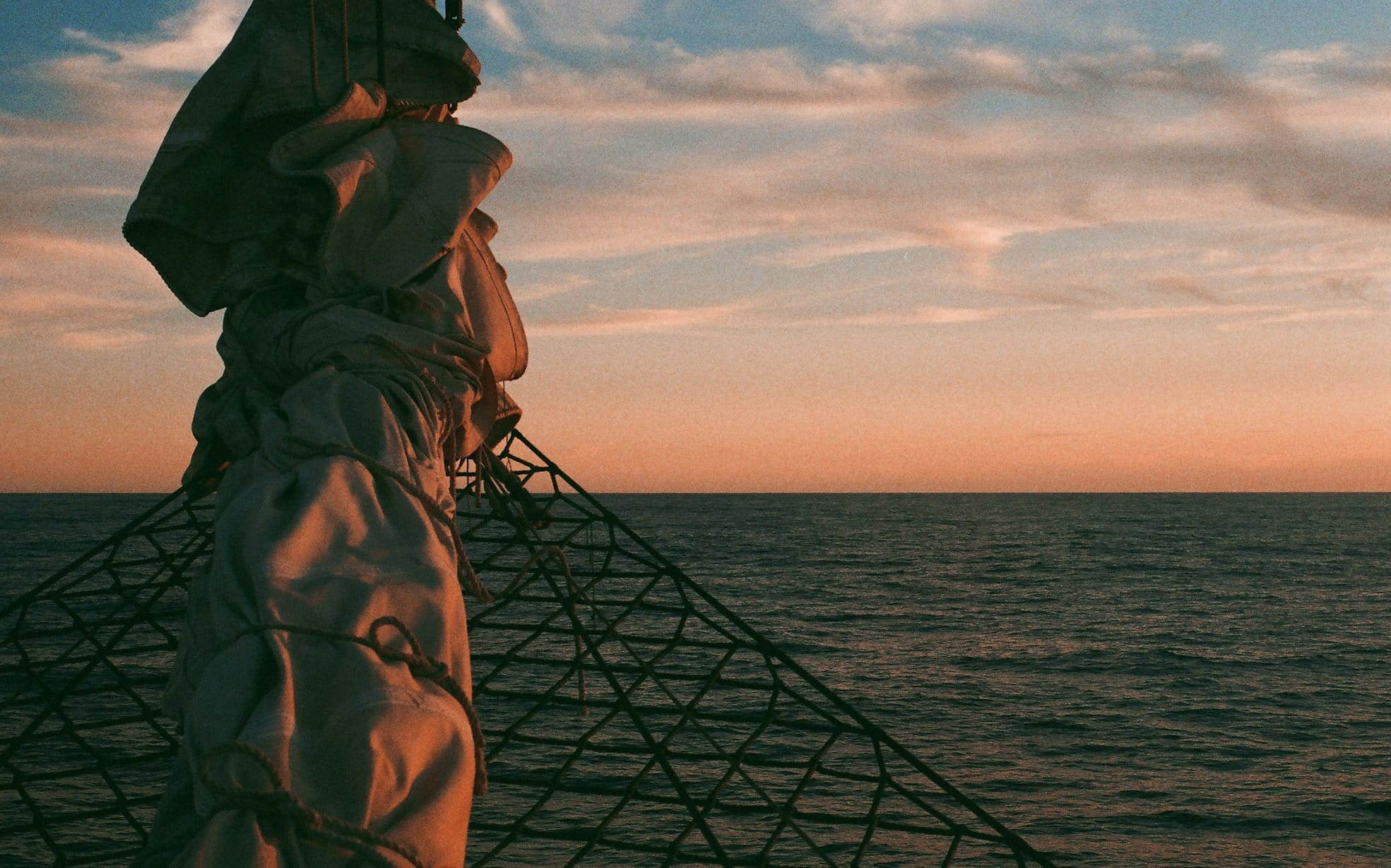
Columbus set sail in August 1492 with three ships, Santa Maria the flagship called a Carrack, a three or four masted ship with a huge cargo hold. The other two, the Pinta and the Nina were Caravels which were smaller, more agile vessels.
Courage Is Easier To See In Hindsight
The lens of many centuries has a way of diminishing the significance of others’ accomplishments.
In our modern era, we fail to appreciate the chutzpah required to leave everything safe and familiar in hopes of finding something that others didn’t believe even existed.
Columbus wasn’t only an explorer but a bit of a gambler as well. He believed he could reach Asia, thinking it was 2200 to 2500 miles. He vastly underestimated the distance. The globe was larger than even he imagined.
Many today wouldn’t take a road trip without their cell phone. But Columbus and his crews left all support and communication behind them when they sailed into the unknown waters. While it seemed courageous to some, others called it madness.
All you need is the plan, the road map, and the courage to press on to your destination.
— Earl Nightingale
Still he recruited 87 adventurers and began the voyage.
At one point, there were rumors of mutiny as the crew watched supplies begin to dwindle.
Some tried to persuade Columbus to abandon the mission and turn back. But the Captain was resolute in his confidence of reaching land.
What Columbus Accomplished
The expedition reached what is today the Bahamas on October 12. Columbus renamed the island San Salvador and claimed it for Spain.
While he never set foot in the US, on his third voyage he went ashore in South America in what is present day Venezuela.
Even though the Norse landed in the Americas a few centuries before, it was Columbus who blazed the trail and permanently opened up trade between the continents and showed the way for European settlements in the new world. He kicked off the age of trans Atlantic exploration.
If you review the life of Christopher Columbus and the surrounding controversies, you’ll wonder if anyone ever did anything noteworthy without the attending criticisms.
While recognized as a bold navigator and explorer, political activists have taken issue with honoring Columbus as a great figure in history in the last few decades.
Some states have stopped celebrating Columbus Day or renamed it Indigenous Peoples Day.
They cite forced labor and bringing disease to the new lands as reasons to not celebrate Christopher Columbus.
Judging The Past Through Modern Eyes
While slavery is indefensible, the critics make a grave, shortsighted error. They are imposing our standards and ethics on people who lived 534 years ago. It was the same planet but a different world altogether.
Why would anyone assign today’s norms to people who lived five centuries ago?
It demonstrates a lack of understanding of our world and frankly, hubris on their part, to demand our values should have been practiced in their generation.
Imagine if someone had a time machine and visited you from a thousand years in the future.
The time traveler might tell you that they only use an energy not yet discovered to fuel homes and transportation. It’s readily available and doesn’t pollute like gasoline.
And proceeds to shame and scold you for still burning fossil fuels.
It’s a bit unfair.
The same mindset will disparage our Founding Fathers because some of them kept slaves.
To grow any crop (and survive) in the 1700s, the common practice was to acquire slaves.
They didn’t have Zip Recruiter or a local agency to hire farm hands. It was the way things were done in Colonial America.
It wasn’t right.
But slavery was deeply embedded in their economic world. Understanding how widespread and generally accepted it was, casts the farmers in a less harsh light.
Instead of outrage for crediting great people, we should be grateful those horrible ways aren’t the daily norms today.
Great People Are Still Human
Another observation about great human beings; they are human beings.
We are all flawed, imperfect people. To detract from their world-changing accomplishments only because we have a different set of character flaws is disingenuous and plain wrong.
While I personally would never enslave anyone, I also wouldn’t have the nerve to sail into unchartered waters to discover lands I had no evidence for. Nor would I have the vision and intellect to form a government for the greatest Nation on the planet.
A good credo to live by would be: Give credit where credit is due. Columbus had a boldness and courage few today could match. Modern civilization looks the way it does thanks largely to Christopher Columbus’ vision of showing the way for many of our ancestors to the new world. He possessed the confidence to attempt what many called insanity.