The Sweetness Of Doing Nothing
Discover the benefits of doing nothing, the importance of rest, and why taking a pause may be one of the best resolutions you can make.

When this post is published, it will be forty-five days until New Year’s Eve. The only thing crazier than it being so close is that I’m contemplating it already.
But now seems like a more appropriate time to consider resolutions for the coming year.
On New Year's Eve, the Christmas tree is still up, the food, drinks and celebrations aren't conducive to quiet, personal reflections about life.
I’ve decided to skip the usual resolutions like exercise more and eat healthier. Few keep those.
I’m resolving more unconventionally.
I intend to do nothing more often.
Not all the time, I’m not advocating for laziness. But will have more periods of time of not checking ‘to do’ boxes, fixing problems or reaching goals. As time passes, it seems like a great resolution.
The Sweetness Of Doing Nothing
The Italians have a phrase, Il dolce far niente. It means: the sweetness of doing nothing.
It’s the simple pleasure of sitting down while attempting to accomplish nothing. No decisions made or problems solved.
In America, we highly value efficiency and productivity. In fact, it’s nearly a religion to some and one of the reasons we’re the wealthiest nation on earth. We get stuff done!
It’s the planners and action takers who make progress happen. Our world wouldn’t be what it is without them.
But like any positive attribute, it can be over done.
Even Nature Takes A Break
Anything in nature takes a rest. Fields need to lie fallow, trees go dormant in the winter and garden soil regenerates for spring.
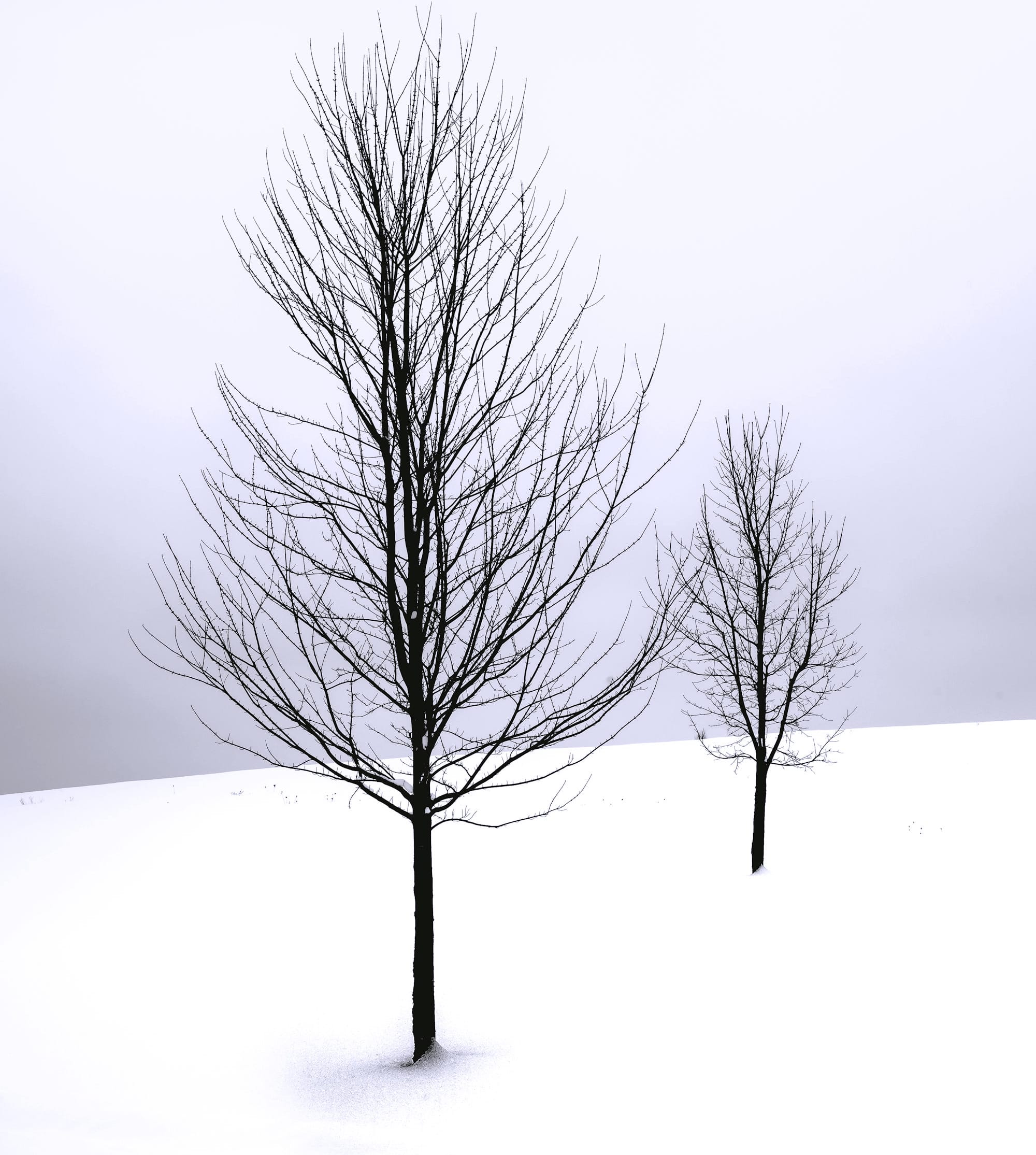
It’s part of the organic cycle of the planet. Human beings are part of that dynamic. We are closer to the trees and soil than we are a diesel engine or a machine.
But we tend to operate life at a pace more like the engine sometimes.
A pause without an agenda can slow down and reset the over-busy brain. It even works for our electronic devices. If the phone or laptop becomes uncooperative, we can power it down and start the system again.
Change in surroundings or a break in routine can do the same for us. It can cast a situation or an idea in a whole new light and reveal new possibilities we missed while drilling down and focusing.
It’s magical, not only for creativity, but beneficial for a general sense of well being.
We’re all responsible for so many things, it seems like a guilty pleasure to simply coast. It feels like a waste of our precious, dwindling resource; time.
Duties can be remarkably patient. Whatever we postpone today will make the list longer for tomorrow. Resistance to a pause is understandable.
The Strange Productivity Of Not Working
As with so many things, a fresh perspective or a new angle can make old situations look new. It’s a strange paradox when you stop working that you’ll get more done.
But a break in the action can bring back enthusiasm for the project when you resume it. And renewed interest can accomplish more than slogging through work you’ve lost interest in.
Rest Was God's Idea
However, there’s a larger benefit to this. When the rest mindset becomes second nature to us, it elevates our sense of ourselves from being task-completers to who God made us to be, unique destiny filled individuals with an important role to play in the world.
When God delivered the Hebrews out of slavery in Egypt, He had to shift their view of themselves from slaves to being sons and daughters.
Rest was one of the tools He used to accomplish it. After 430 years under Pharaoh’s rule, the slave identity was deeply embedded into their thinking. They existed to work without pay, thanks or vacations.
On the way from Egypt to the Promised Land, God gave the ten commandments, one of which was to not do any work on the seventh day.
He actually made it mandatory to take time off from work. You would be a lawbreaker if you insisted on working on the Sabbath.
Pretty cool!
It is divine permission to abandon the striving and do nothing, except rest, reflect and recharge.
“Rest time is not waste time. It is economy to gather fresh strength... It is wisdom to take occasional furlough. In the long run, we shall do more by sometimes doing less.” -Charles Haddon Spurgeon
Since this concept is becoming rarer in our world, intentionality is required. Hitting pause won’t happen automatically. It’s too counter-intuitive and against the grain of what we consider normal.
Indulge Yourself With Permission To Pause
If you adopt this concept; a warning. It feels weird. We are all more productive and efficient than we realize. And sitting idle for a few minutes can seem like you’ve wasted the whole day. But be patient and give it time, it’s worth it.
It can slow your mind down, recalibrate your thinking and refresh your outlook on everything.
A University of Michigan study showed a 21% reduction in cortisol ( a stress hormone) when the breaks were taken outdoors in nature. So to enhance your refreshment, head outside.
The Eastern Orthodox church valued silence and stillness. Monasteries lived it out daily. They were onto something we lost touch with in our modern world.
It’s time to re-learn this wisdom.
Take a break.
Pause.
Breathe.
The world won’t crash if you do. I promise.
We have become so accustomed to equating our worth with accomplishment we forget to just be.